
Are Leather Jackets Warm?
Yes, leather jackets are warm, but their level of warmth depends on the type of leather, its thickness, the lining, and how you wear it. Leather naturally blocks wind and retains body heat, yet on its own it does not insulate as effectively as heavy wool coats or down jackets. With the right lining and proper layering, however, a leather jacket can keep you comfortable even in sub-zero temperatures.
This article explains how leather insulates, what determines a jacket’s warmth, how it performs in different weather conditions, and how to maximise its cold-weather performance.
How Leather Acts as a Natural Insulator
Leather provides warmth primarily through wind resistance and heat retention. Its dense fibre structure forms a natural barrier that prevents cold air from penetrating and stripping away body heat. This makes leather particularly effective in windy conditions.
At the same time, the fibres within animal hide trap small pockets of air. These pockets help retain the heat your body naturally generates. While leather is not as insulating as wool or down, it performs reliably when combined with a proper lining.
Unlike many synthetic materials, leather is also breathable. Its natural pores allow moisture to escape. This prevents the damp, clammy feeling that can make winter garments feel colder than they are.
What Determines How Warm a Leather Jacket Is?
A leather jacket’s warmth is influenced by several structural factors. Not all leather jackets perform the same.
Type and Thickness of the Leather
Thicker, denser hides provide better insulation and wind protection. Cowhide, buffalo, horsehide, and sheepskin retain heat more effectively than lightweight goatskin or fashion-weight lambskin.
For winter wear, a midweight to heavyweight leather measuring approximately 1.1 to 1.3 millimetres thick (around 3–4 ounces) offers noticeably stronger thermal performance than thinner alternatives.
The Crucial Role of Lining
Without a proper lining, even thick leather will not hold significant warmth. The lining acts as the primary insulating layer.
-
Cotton or flannel lining – Suitable for mild weather and autumn.
-
Quilted polyester or nylon lining – Effective for cold winter temperatures.
-
Wool, Sherpa, or shearling lining – Offers the highest insulation for harsh winter conditions.
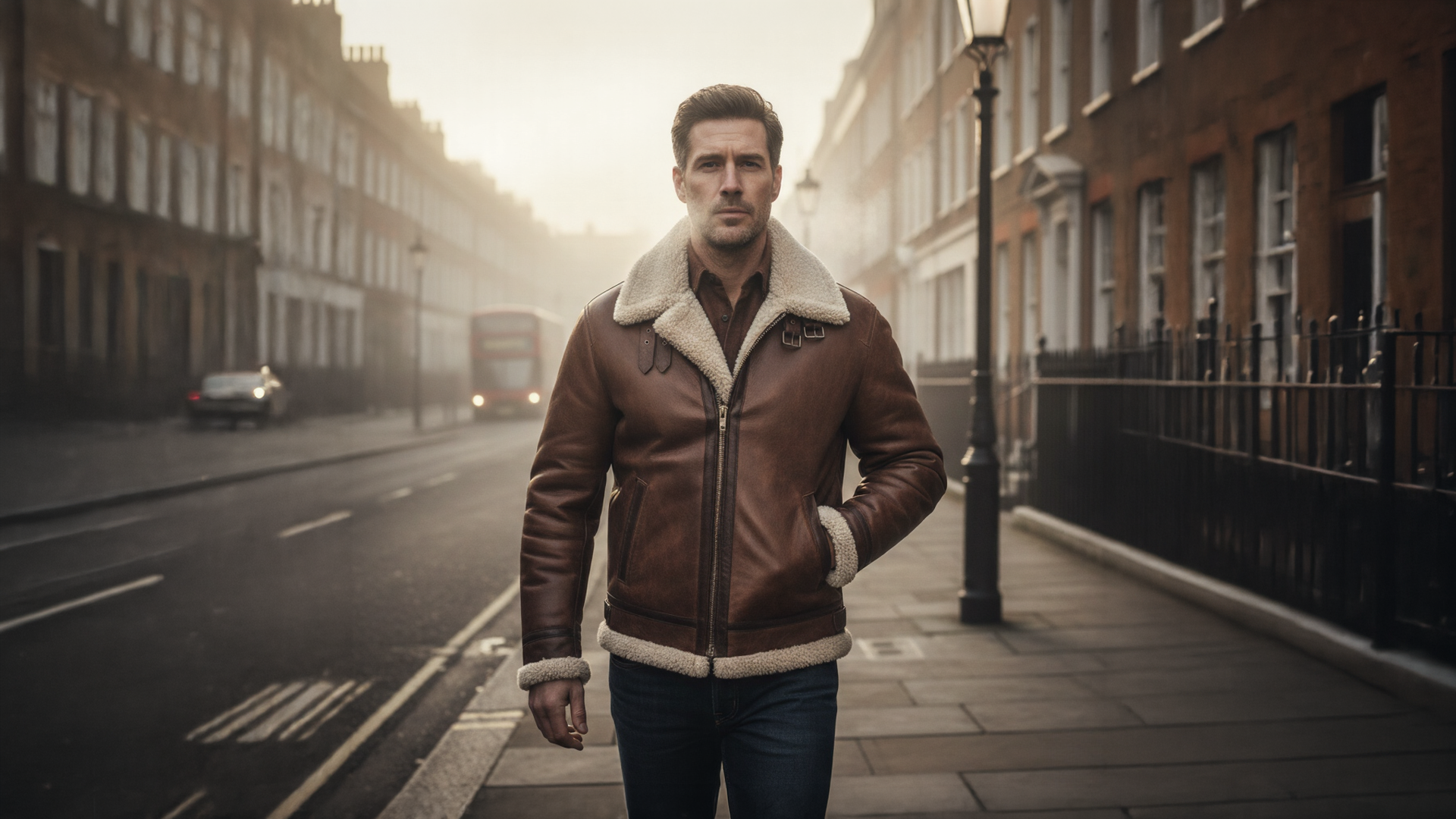
Shearling, in particular, combines leather and natural wool in one piece, delivering exceptional warmth.
Fit and Coverage
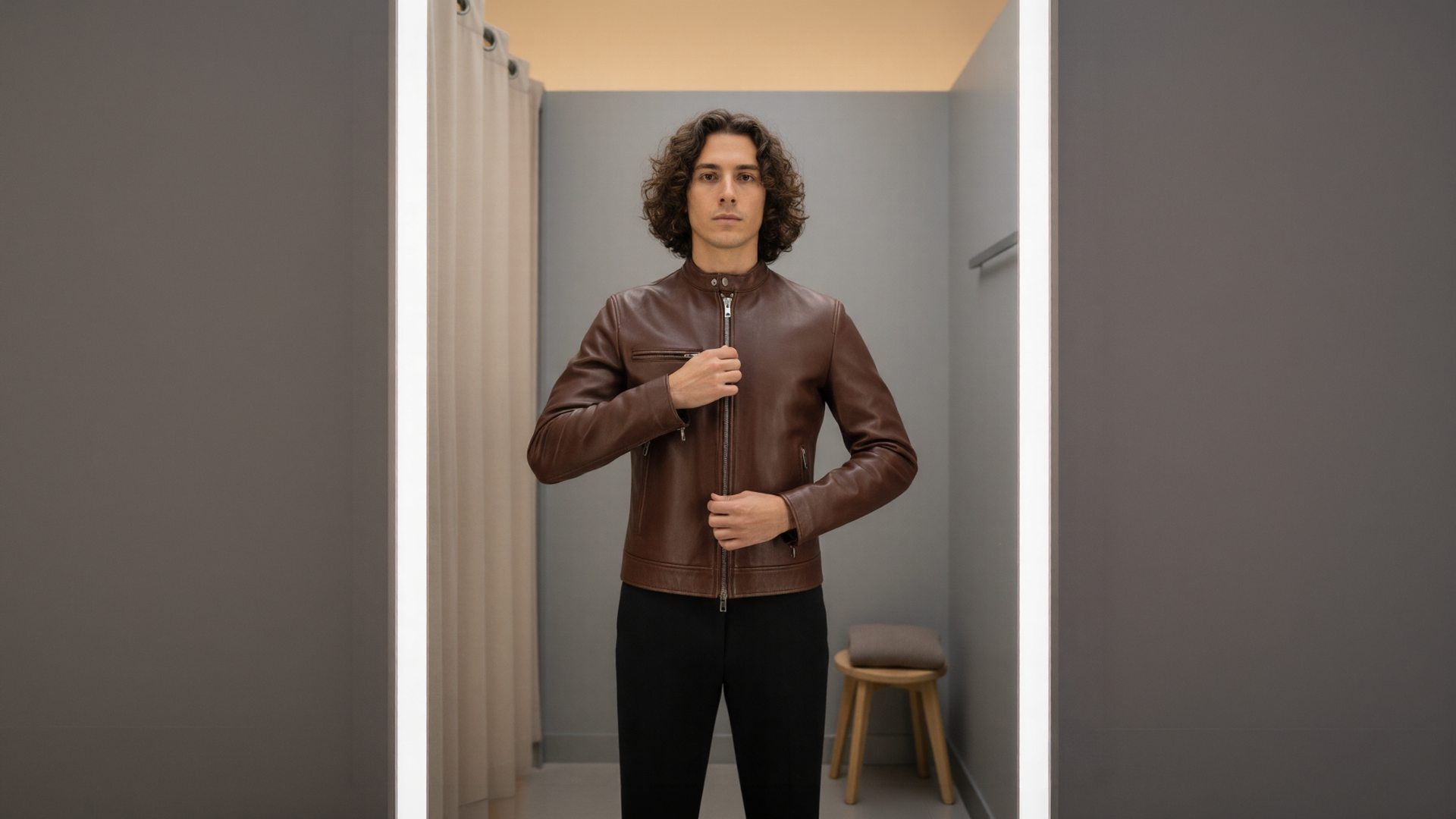
A well-fitted leather jacket retains heat more efficiently than an oversized one. A snug fit reduces empty space where cold air can circulate.
Design features that enhance warmth include:
-
High collars
-
Ribbed cuffs
-
Adjustable waist tabs
-
Storm flaps over zips
These details help seal out cold drafts.
The Tanning Process
The tanning method subtly affects thermal comfort. Vegetable-tanned or glutardialdehyde-treated leathers tend to have slightly higher thermal resistance compared to standard chrome-tanned leather due to differences in porosity. While not the primary factor, processing does influence insulation performance.
Are Leather Jackets Suitable for Different Temperatures?
Yes, but the type of leather jacket must match the climate. Thickness and lining determine performance in specific weather ranges.
Warm or Mild Weather (Spring/Summer or Indoors)
Lightweight, unlined leather jackets under 1mm thick are breathable and flexible. They function more like structured blazers, regulating body temperature without overheating.
Autumn Weather (40°F – 60°F)
Midweight leather jackets with cotton or flannel lining are ideal for crisp autumn days. Classic café racer or biker styles allow layering with a light knit or hoodie underneath.
Winter Weather (20°F – 40°F)
Heavyweight cowhide or horsehide jackets with quilted nylon or synthetic Sherpa linings provide strong wind resistance and dependable insulation in freezing temperatures.
Extreme Cold (0°F and Below)
Sheepskin shearling bomber jackets are the warmest leather option available. Originally designed for WWII pilots in unheated cockpits, they combine thick leather with dense natural wool lining for maximum heat retention.
How Does Leather Compare to Other Winter Coats?
Leather performs differently compared to wool and down. Each material has its strengths.
|
Outerwear Type |
Insulation Level |
Wind Resistance |
Best Use Case |
|
Leather Jacket |
Moderate to High |
Excellent |
Windy cold weather |
|
Down/Puffer Jacket |
Very High |
Moderate |
Deep winter, dry cold |
|
Wool Coat |
High |
Moderate |
Cold urban wear |
|
Denim Jacket |
Low |
Low |
Mild conditions only |
Down jackets are generally warmer due to feather-filled quilting. Wool coats provide better natural insulation. Leather excels at blocking wind and maintaining structure in harsh elements.
How Can You Make a Leather Jacket Warmer?
You can significantly increase warmth through layering and maintenance. Leather works best as a protective outer shell.
1. Layer Strategically
Start with a moisture-wicking thermal or merino wool base layer. Add an insulating mid-layer such as fleece or wool knitwear. Finish with your leather jacket as the windproof outer layer.
2. Protect Against Moisture
Leather tolerates light rain but not heavy snow or prolonged moisture. Use a weather-resistant spray to reduce water absorption during winter.
3. Maintain and Condition Regularly
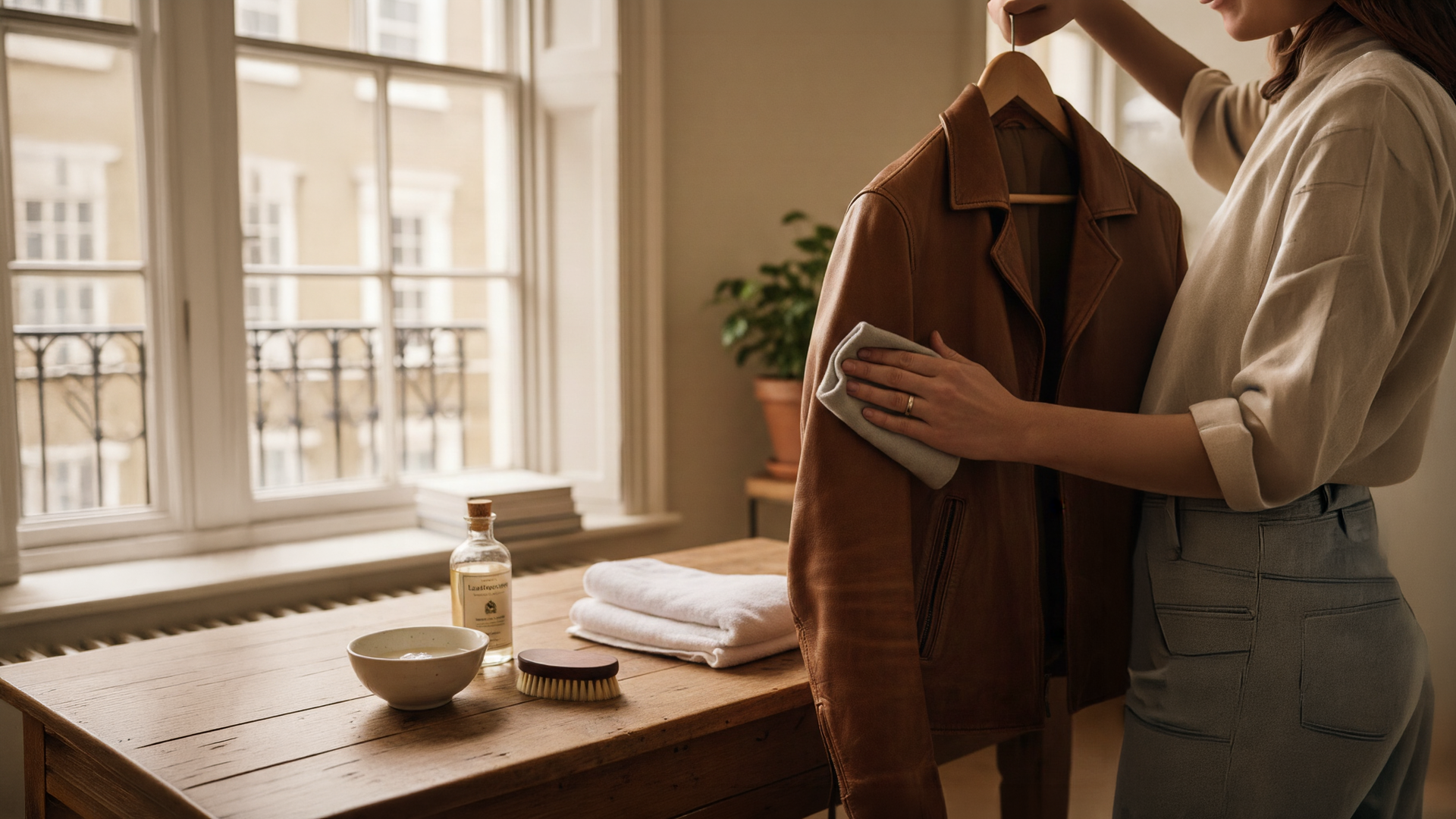
Cold temperatures can stiffen untreated leather. Regular cleaning and conditioning maintain flexibility and improve resistance to cold winds. Store the jacket on a wide hanger in a cool, dry space to prevent structural distortion.
Warmth & Cool Together
Leather jackets are warm when constructed properly and styled intelligently. Their strength lies in wind resistance, durability, and structured insulation. By choosing the right thickness, selecting a high-quality lining, and layering effectively, a leather jacket can perform reliably even in harsh winter conditions.
For those considering where to buy leather jacket designed for real-world climates, Leather Republic focuses on handcrafted construction, premium hides, and practical linings. Whether investing in a men's leather jacket or a women's leather jacket, selecting the right build ensures comfort, structure, and long-term performance.

Written by BARIS AKSOY