
Leather Jacket Buying Guide
A leather jacket is not a seasonal purchase or a fleeting trend. It is a long-term commitment to craft, material, and identity. When chosen well, a leather jacket becomes a companion rather than a garment, shaped slowly by movement, weather, and time. It absorbs the marks of daily life and returns them as character, developing a patina that no factory can replicate. This is why leather jackets are often described as investments rather than purchases. They do not simply age; they evolve.
There is an old comparison that holds up surprisingly well: buying a leather jacket is like getting a tattoo. You almost always get what you pay for, and the results are immediately visible. High-quality leather announces itself through weight, texture, and smell, while poor leather tries to hide behind surface treatments and shortcuts. Once worn, the difference becomes impossible to ignore. A well-made jacket will mold to the body like a second skin, growing more comfortable and expressive with every year. A poorly made one will crack, stiffen, or fall apart just when it should be hitting its stride.
This guide is written to help you make that decision with clarity. From understanding styles and leather types to recognizing true craftsmanship and achieving the right fit, each section breaks down what truly matters when choosing a leather jacket that deserves a place in your wardrobe for decades to come.

Why Choose Leather?
Leather has earned its place in outerwear history for reasons that go far beyond aesthetics. Long before it became a symbol of rebellion or refinement, it was chosen for one simple truth: it works. Few materials combine durability, protection, and longevity as convincingly as high-quality leather.
At its core, leather is one of the toughest natural materials available for clothing. A well-made leather jacket can last for decades, not despite wear but because of it. Each crease, scuff, and stretch mark becomes part of the jacket’s story, adding depth rather than diminishing value. Unlike synthetic fabrics that weaken over time, leather tends to grow more supple and visually interesting as it ages, developing a patina that reflects the life of its wearer.
Functionally, leather was never meant to be delicate. Motorcyclists adopted it early on because it behaves like a second skin. Dense hides offer genuine abrasion resistance, shielding the body from wind, minor impacts, and harsh conditions. Even off the bike, that same structure provides natural wind-breaking qualities and a degree of water resistance that makes leather practical across changing seasons.
The advantages of leather can be summed up simply:
-
Built to last for decades with proper care
-
Improves with age, gaining character rather than wearing out
-
Naturally wind-resistant and lightly water-repellent
-
Provides real protection against abrasion and daily wear
-
Suitable for multi-season use
-
Immune to fast-changing fashion trends
-
Projects a confident, timeless presence
There is also a psychological dimension to leather that few garments can replicate. A leather jacket subtly changes posture, presence, and attitude. It signals confidence without being loud and strength without exaggeration. Styles may shift and silhouettes may evolve, but leather jackets never fully exit the cultural stage. They endure because they are honest. The material itself does the talking.
In the next section, we will explore how this same material takes on entirely different identities through classic leather jacket styles, each with its own history and attitude.
Understanding Leather Jacket Styles
Leather jacket styles are not arbitrary design choices. Each silhouette exists because it once solved a specific problem, whether that was protection, mobility, or warmth. Knowing these categories helps you choose a jacket that fits your lifestyle rather than just your taste.

The Double Rider (Biker Jacket):
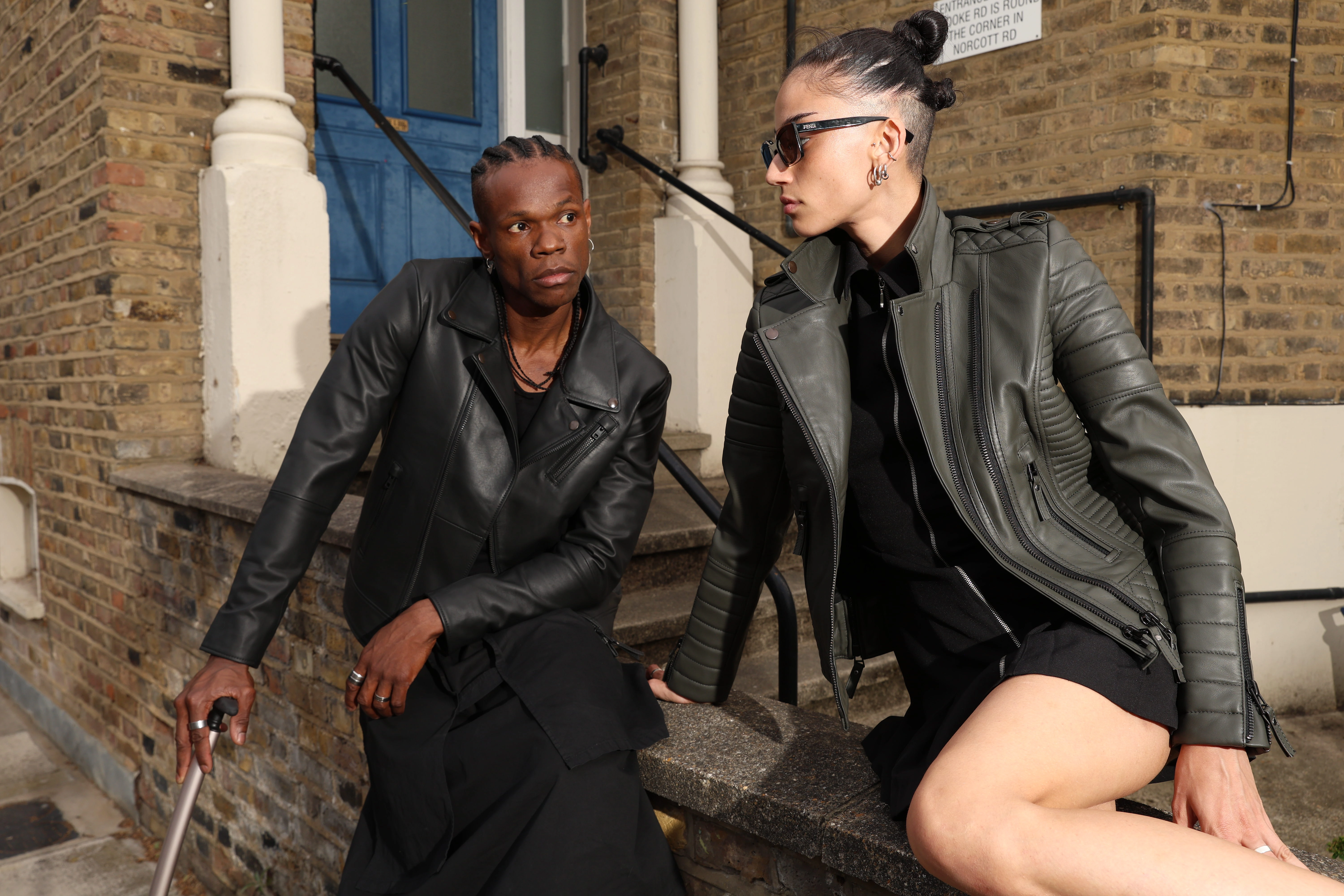
Defined by an asymmetrical zipper, wide lapels, and snap-down collars. Originally built to block wind at speed, it has become synonymous with rebellion and a relaxed, rock-and-roll attitude. This style is bold, expressive, and best suited for casual wardrobes.
(For more information and product suggestions, you can check men’s leather biker jacket & women’s leather biker jacket pages.)
The Bomber (Flight & Aviator Jacket):
Designed for WWII pilots, the bomber features a centered front zipper, ribbed cuffs and hem, and a cropped length for ease of movement. Many versions are lined with shearling or fleece, making this one of the warmest leather jacket styles. It offers a practical, grounded look with strong heritage appeal.
The Café Racer (Motocross):
A minimalist and streamlined design with a symmetrical zipper and a simple band snap collar. Originally created to reduce bulk and drag, it is now the most versatile leather jacket style. Its clean lines allow it to work in casual outfits as well as business-casual environments.
The Cattleman:
Typically thigh-length and slightly flared at the waist, this style was developed for equestrian use. It offers added coverage and freedom of movement, carrying a classic, heritage-driven character rather than an urban edge.
Specialty and Niche Styles:
Some leather jackets fall outside the core silhouettes and serve more specific aesthetic or functional purposes.
-
Fatigue / Field Coats: Loose cuts with large flap pockets, inspired by military utility.
-
Varsity / Baseball Jackets: Often made from suede or leather-and-cloth combinations, blending sport and casual wear.
-
Fencing Jackets: Avant-garde designs with aggressive cuts and unconventional closures.
-
Dusters / Trench Coats: Long silhouettes; leather trench coats are generally discouraged as they can be difficult to style and easily overpower an outfit.
Selecting the right style is about balance. The jacket should feel natural within your wardrobe and daily routine, not like a statement you have to constantly justify. In the next section, we will move from silhouette to substance by examining leather types and how different hides change the way a jacket feels, ages, and performs over time.
Choosing the Leather Material
The type of leather used in a jacket determines far more than how it looks on day one. It affects weight, durability, break-in time, comfort, and how the jacket will age over years of wear. Two jackets with identical patterns can feel completely different simply because the hides come from different animals. Understanding these leather jacket materials helps you choose leather that matches both your expectations and your lifestyle.
|
Leather Type |
Feel & Weight |
Durability |
Break-In Time |
Best For |
|
Cowhide / Steerhide |
Heavy, firm, structured |
Very high |
Long |
Long-term daily wear, maximum protection |
|
Horsehide |
Very stiff at first, dense |
Extremely high |
Very long |
Enthusiasts seeking dramatic aging and patina |
|
Lambskin |
Soft, lightweight, supple |
Low to moderate |
Minimal |
Luxury feel, fashion-focused use |
|
Calfskin |
Smooth, balanced, medium weight |
High |
Moderate |
Comfort with durability balance |
|
Goatskin |
Flexible with pebbled grain |
High |
Short to moderate |
Everyday wear with character |
|
Deerskin |
Soft, stretchy, light |
Moderate |
Short |
Comfort-driven, warm-weather jackets |
|
Eco / Faux Leather |
Artificial, uniform |
Low |
None |
Budget testing only, short-term use |

Cowhide & Steerhide:
The most commonly used leathers for jackets. Cowhide and steerhide are thick, tough, and highly durable, offering excellent protection and structure. They tend to feel heavy and stiff at first and require a long break-in period, but once molded to the body, they become exceptionally resilient and long-lasting.
Horsehide:
Extremely dense and durable, horsehide is often described as feeling like plate armor when new. It starts off stiff and rigid but slowly conforms to the wearer over time. This leather develops dramatic creasing and patina, making it a favorite among enthusiasts who value longevity and character over immediate comfort.
Lambskin:
The softest and most luxurious option. Lambskin is lightweight, supple, and comfortable straight off the rack. However, this softness comes at a cost. It is less abrasion-resistant than heavier hides and more prone to tearing or scuffing, making it better suited for fashion-focused wear rather than heavy daily use.
Calfskin:
A balanced middle ground between lambskin and cowhide. Calfskin offers a smoother, softer feel than cowhide while retaining better durability than lambskin. It is often chosen by buyers who want comfort without fully sacrificing toughness.
Goatskin:
Recognizable by its natural pebbled grain, goatskin is lighter than cowhide yet surprisingly durable. It resists cracking and abrasion well while remaining flexible, making it a practical and visually distinctive choice for everyday jackets.
Deerskin:
Lightweight, stretchy, and exceptionally comfortable. Deerskin moves easily with the body and breaks in quickly, but it lacks the abrasion resistance of denser hides. It is typically used for warm-weather jackets or relaxed, casual designs.
Alternative Options:
Some materials fall outside traditional categories.
-
Eco-Leather / Faux Leather: Often marketed as alternatives, these materials do not age well, tend to peel or crack, and lack the long-term value of real leather. They can, however, serve as a low-cost way to experiment with a style before committing to genuine leather.
Choosing the right leather is about honesty with yourself. If you value softness and immediate comfort, lighter hides may suit you best. If you want a jacket that will evolve dramatically over decades, heavier leathers reward patience.
A Note on Sustainability and Responsible Leather
It is natural for many buyers to question the ethics behind leather, especially those who care deeply about animal welfare and environmental impact. High-quality leather jackets, when produced responsibly, are fundamentally different from fast-fashion alternatives. The hides used in premium leather production are by-products of the food industry, not the result of animals raised solely for their skins. In this context, leather becomes a form of material respect rather than waste.
From a sustainability perspective, longevity matters. A well-made leather jacket that lasts for decades often has a smaller environmental footprint than synthetic alternatives that peel, crack, and end up in landfills within a few seasons. Unlike faux materials, natural leather is biodegradable and ages without shedding microplastics into the environment.
Responsible tanneries also play a crucial role. Modern vegetable tanning methods and low-impact processing techniques reduce chemical use, limit water pollution, and create leather that is safer for both the wearer and the environment. Choosing fewer, better-made garments supports slower consumption and places value on craftsmanship over disposability.
Sustainability is not only about what a material is made from, but how long it stays in use. When leather is sourced and crafted with care, it becomes a long-term companion rather than a short-term compromise.
In the next section, we will look at how craftsmanship and construction reveal whether that leather has been used to its full potential.
Recognizing High Quality and Craftsmanship
Once you understand styles and leather types, the next step is learning how to spot real quality. Two jackets can look similar from a distance, yet differ dramatically in how they age, move, and survive years of wear. Craftsmanship reveals itself in small, often overlooked details, the kind you notice only after living in a jacket for some time.
Leather Grain:
Grain tells you how much of the hide’s natural structure has been preserved.
-
Full Grain: Uses the entire hide, including natural pores, scars, and irregularities. It is the most durable option and develops the richest patina over time. Variations in texture are not flaws but proof of authenticity.
-
Top Grain: The outer layer is split and lightly corrected to create a smoother, more uniform surface. It is more pliable and visually refined, making it common in fashion-forward jackets.
-
Corrected Leather: Lower-quality hides that have been heavily treated and embossed to mask imperfections. While they may look clean at first, they are more prone to cracking and surface damage over time.
Zippers and Hardware:
A leather jacket’s hardware takes constant stress. High-quality jackets use heavy-duty zippers that move smoothly and feel solid in the hand. Premium zipper brands cost significantly more than standard options, but they dramatically improve durability and daily usability. Cheap zippers are often the first point of failure.
Topstitching:
Visible stitching is not just decorative; it reflects construction quality. Well-made jackets use thick, durable thread with consistent spacing and clean lines. Uneven stitching or loose threads are early warning signs of rushed manufacturing.
Lining Materials:
Quality jackets use different linings for different areas. Breathable materials such as cupro, cotton twill, or viscose are commonly used in the body, while smoother linings in the sleeves allow the jacket to slide on easily. Thin, low-grade synthetics may reduce cost but tend to tear quickly and trap heat.
Armholes and Construction:
High-set armholes are one of the clearest indicators of skilled tailoring. They allow the arms to move freely without pulling the jacket upward, creating comfort without excess bulk. Lower armholes may feel roomy at first but often restrict movement and distort the jacket’s shape over time.
True craftsmanship is rarely loud. It does not rely on excessive branding or decoration. Instead, it reveals itself through balance, restraint, and precision. A well-crafted leather jacket feels intentional, as if every seam exists for a reason. In the next section, we will bring these details together by focusing on fit, the final element that determines whether a jacket truly becomes a second skin.
Mastering the Leather Jacket Fit
Even the finest leather and the best craftsmanship mean very little if the fit is wrong. Fit is the moment where material and body meet, and when done correctly, a leather jacket should feel less like a layer and more like an extension of you. This is often described as the “second skin” principle, and it remains the most reliable way to judge whether a jacket truly belongs.

The Second Skin Rule:
A leather jacket should fit snugly without pinching or restricting movement. Leather needs room to bend, stretch, and mold to the body over time. If a jacket feels overly loose at the start, it is unlikely to improve with wear. Slight firmness, on the other hand, often disappears as the leather breaks in.
Shoulders:
The shoulder seams should align as closely as possible with the natural edge of your shoulders. Drooping seams signal a jacket that is too large, while seams sitting inward can cause tightness and limit mobility. This area is difficult to alter, making it one of the most important checkpoints.
Sleeve Length:
Sleeves should end at the wrist or just at the base of the thumb. When your arms are extended forward, the sleeves should still cover the wrists. Leather sleeves often shorten slightly as creases form, so marginally longer is preferable to too short.
Jacket Length:
Most classic leather jacket styles are designed to end at the waist or just cover the belt line. Longer jackets change the visual balance and should align intentionally with the chosen style rather than compensate for sizing issues.
Allowing for Layering:
If you plan to wear hoodies, knitwear, or thick sweaters underneath, try the jacket on with those layers. A leather jacket should accommodate your real-life use, not just ideal conditions. That said, layering space should feel intentional, not baggy.
Fit is where patience pays off. A jacket that feels slightly firm on day one often becomes perfectly shaped within weeks of wear. In the next section, we will discuss how budget and value intersect, and how to spend wisely without compromising what truly matters in a leather jacket.
Budgeting and Value for Leather Jackets
Leather jackets exist across a wide price spectrum, and understanding what different budgets realistically offer helps set expectations early. Price alone does not define quality, but in leather, shortcuts almost always reveal themselves over time. Thinking in terms of value rather than cost leads to better long-term decisions.
Entry-Level (Under $300):
At this range, genuinely high-quality new leather jackets are rare. Most options rely on corrected leather, thin hides, or mass production shortcuts. The best value here is often found in vintage or second-hand jackets, where older craftsmanship and better materials can outweigh cosmetic wear. These pieces may require patience and inspection but can be rewarding finds.
Low to Mid-Range ($300–$1,000):
This is widely considered the sweet spot for buyers seeking real leather, solid construction, and fair pricing. Jackets in this range typically use quality hides, dependable hardware, and proper tailoring. While they may lack luxury branding, they often deliver the best balance between durability, comfort, and longevity. For most people, this is where a leather jacket transitions from a purchase into an investment.
High-End ($1,000–$2,000+):
At the top end, you are paying for premium materials, refined detailing, advanced pattern-making, and often a designer name. These jackets can offer exceptional finishing and exclusivity, but the jump in price does not always translate into a proportional jump in durability. The value here lies more in design philosophy and craftsmanship nuances than in basic function.
It is worth remembering that a leather jacket should be evaluated over years, not seasons. A cheaper jacket that needs replacing every few years often costs more in the long run than a well-made piece worn for decades. True value emerges when the jacket becomes something you reach for instinctively, year after year, without feeling the need to replace it.
In the next section, we will look at color choices and versatility, and how subtle decisions like black versus brown can dramatically change how a leather jacket fits into your wardrobe and daily life.
Color, Versatility, and Styling Guidance
Color is not a finishing detail in a leather jacket; it is a functional choice that determines how often the jacket will be worn and how naturally it fits into a wardrobe. The right color disappears into daily life in the best possible way, working across outfits and occasions without effort. The wrong one, even on a well-made jacket, can quietly limit its use.
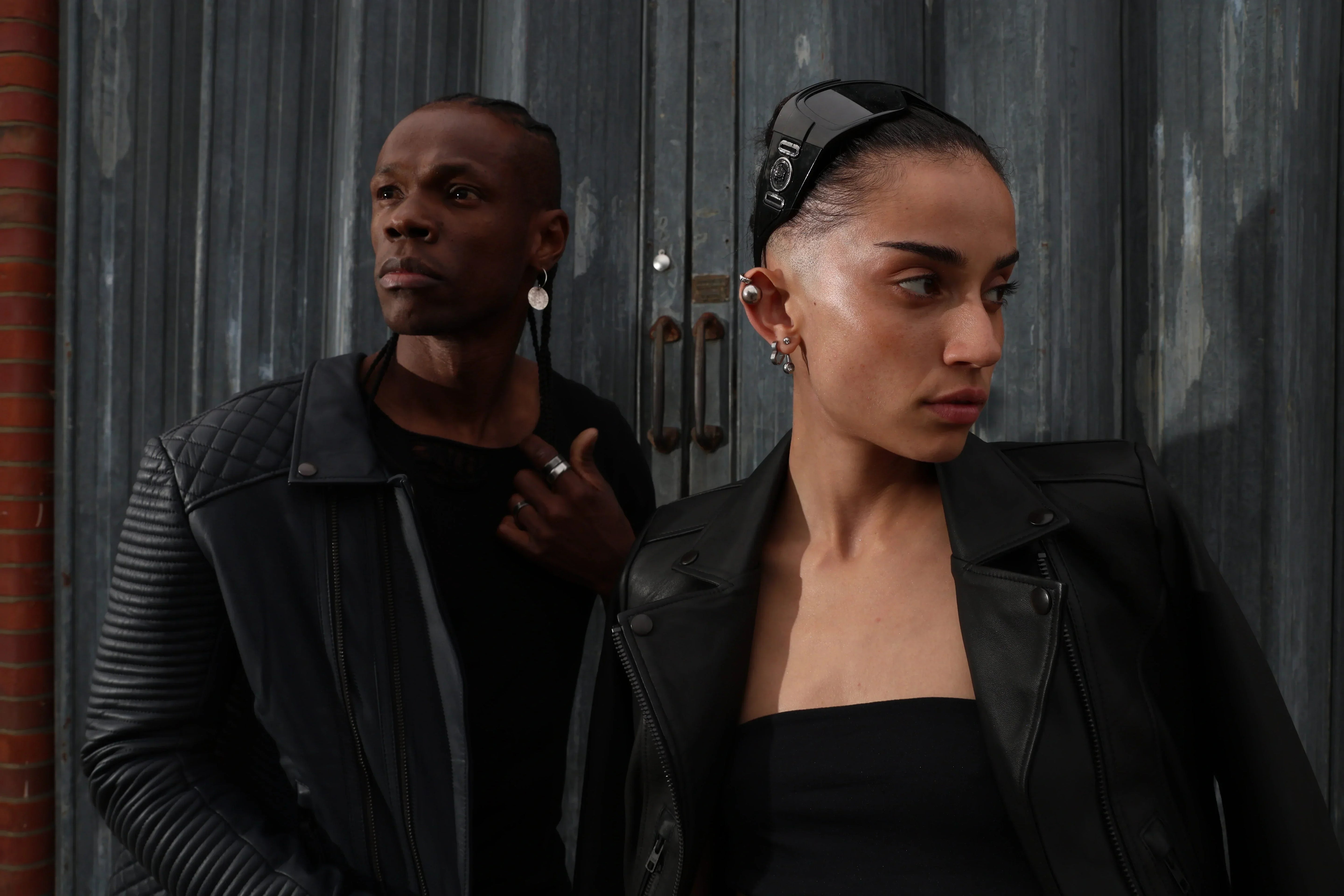
Black Leather Jackets:
Black leather carries a sharp, modern edge. It works seamlessly with dark or black denim, grey or white T-shirts, and minimalist knitwear. Black boots, Chelsea boots, or clean sneakers reinforce its clean lines. In more refined settings, black leather pairs well with monochrome layers and understated accessories, making it one of the most versatile choices overall.
Brown Leather Jackets:
Brown leather leans into warmth and heritage. It pairs naturally with blue denim, beige chinos, olive trousers, and earthy tones such as cream, camel, and rust. Brown boots or leather shoes strengthen the classic feel, while flannel shirts and textured knitwear complement the jacket’s natural depth.
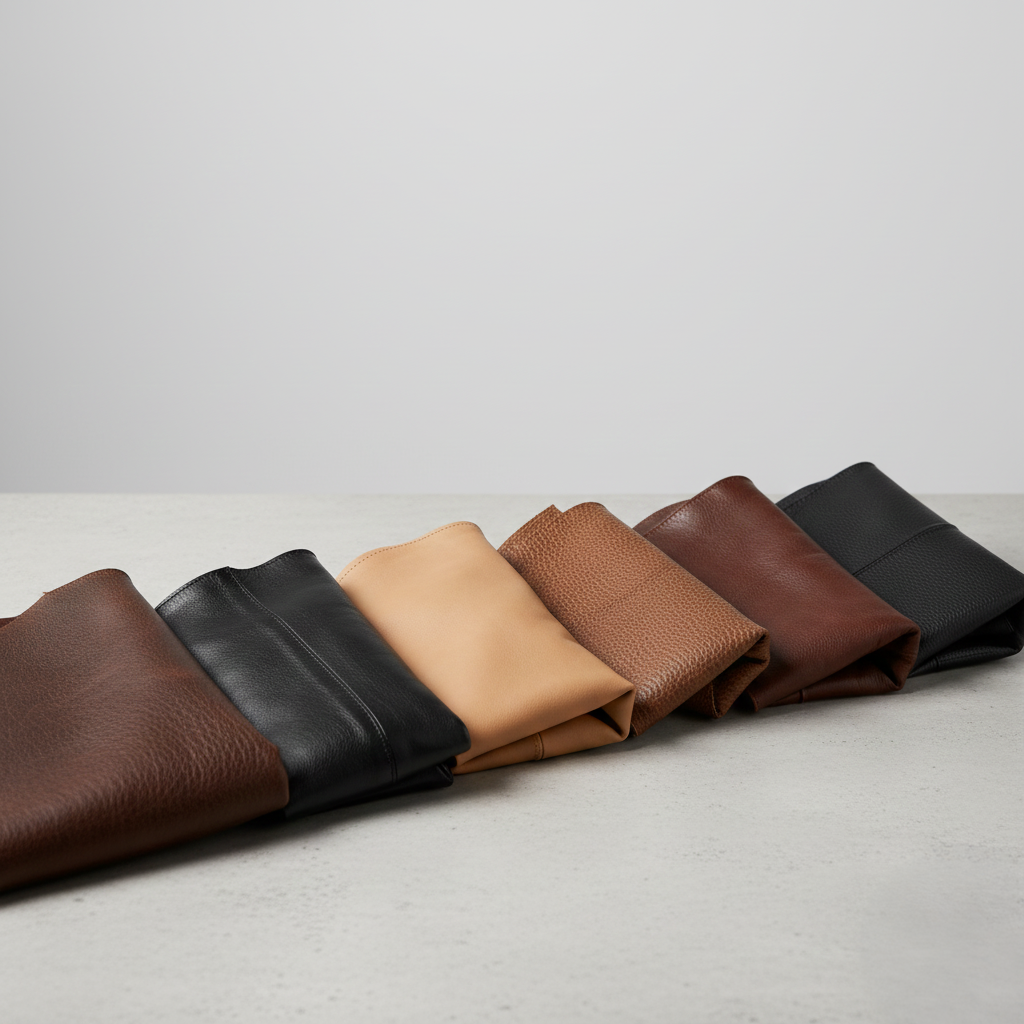
Tan and Cognac Leather Jackets:
Lighter brown tones feel relaxed and timeless. They work especially well with light-wash denim, white or off-white tops, and soft neutral layers. These shades are ideal for daytime wear and transitional seasons, offering contrast without feeling heavy or overly formal.
Dark Brown and Chocolate Leather Jackets:
Darker brown shades sit between black and traditional brown in versatility. They pair well with dark denim, charcoal trousers, and muted autumn colors. This option feels refined and understated, suitable for both casual outfits and slightly dressed-up settings.
Colored Leather Jackets (Burgundy, Green, Navy):
Less common colors benefit from restraint. Keep the rest of the outfit neutral and allow the jacket to be the focal point. Simple denim, plain knitwear, and minimal footwear prevent the look from feeling forced or overly styled.
In professional or business-casual environments, simplicity is key. Cleaner silhouettes with minimal hardware transition more easily than heavily decorated styles. As a general rule, the more visible zippers, snaps, and embellishments a jacket has, the more casual it reads.
Ultimately, the best leather jacket color is the one that encourages frequent wear. Versatility is not about having the most striking piece, but about choosing a jacket that integrates naturally into your existing wardrobe and lifestyle, earning its place through repetition rather than occasion.
Final Perspective: Value, Longevity, and Choosing the Right Jacket
Buying a leather jacket is not about chasing trends or making an impulse purchase. It is about understanding material, craftsmanship, and longevity, and choosing a piece that will remain relevant in your wardrobe for years to come. The most satisfying leather jackets are not the loudest or the most decorated, but the ones that quietly earn their place through comfort, durability, and everyday wear.
A useful analogy brings this into focus. Buying a cheap leather jacket is like buying gas station sushi. It may look convincing at first glance, but the shortcuts reveal themselves quickly. The leather feels off, the structure lacks integrity, and the disappointment arrives sooner than expected. A well-made leather jacket, by contrast, is closer to a carefully prepared omakase meal. Every detail matters, from the quality of the ingredients to the precision of the technique, and the experience improves the longer you engage with it.
True value in leather reveals itself over time. It shows how the jacket softens without losing shape, how it adapts to your movement, and how it becomes more personal with each year of wear. This is why price should always be measured against longevity. A jacket worn weekly for a decade or more rarely feels expensive in hindsight.
If you are ready to invest in a jacket that balances material quality, thoughtful construction, and timeless design, explore our curated collections of men's leather jackets and women's leather jackets. Each piece is crafted with the same principles outlined in this guide, designed to be worn, lived in, and appreciated for years to come.

Written by BARIS AKSOY