
Article: Will a Leather Jacket Stretch If You Wear It?
Will a Leather Jacket Stretch If You Wear It?
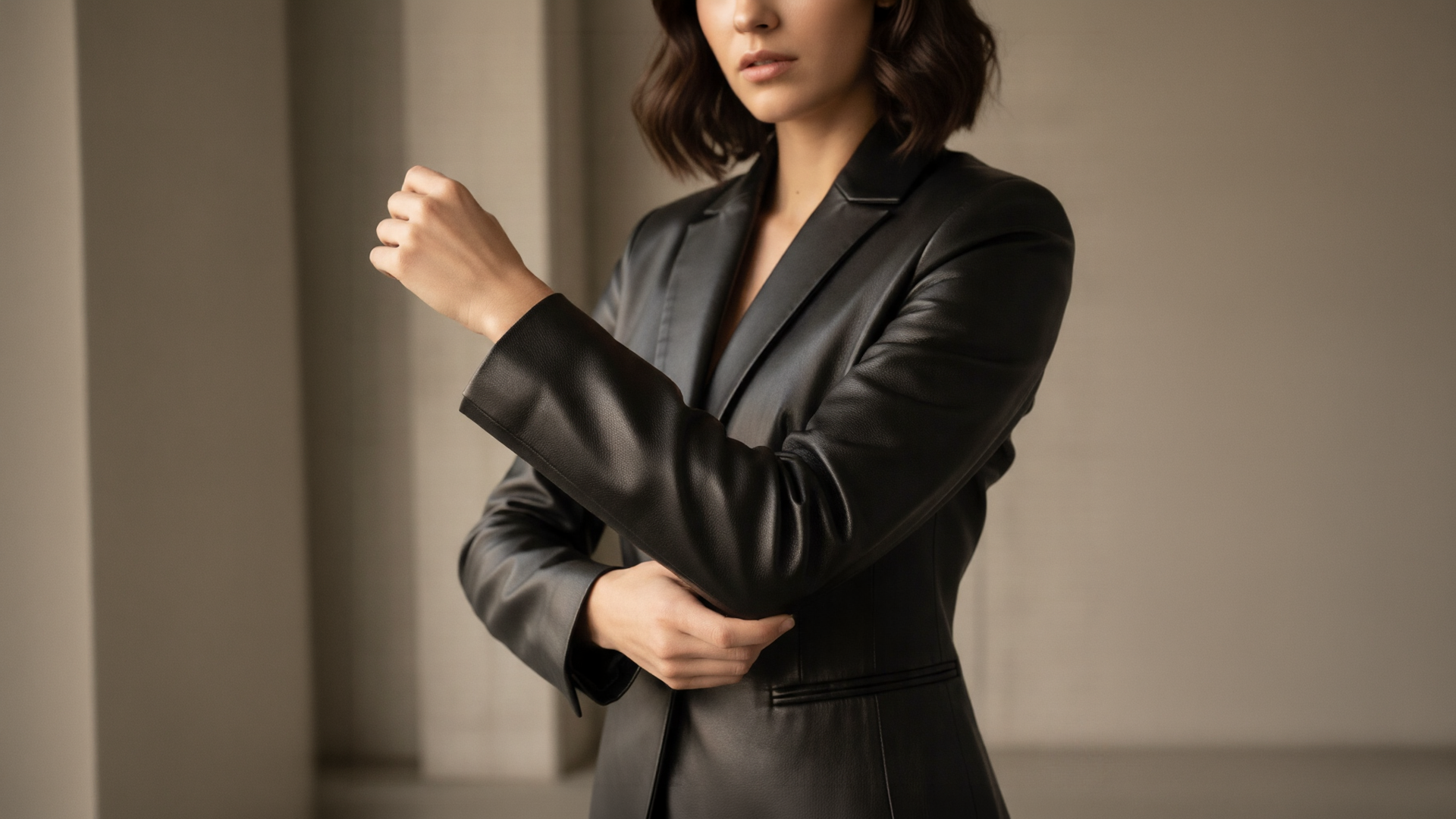
Yes, a leather jacket will stretch as you wear it. Genuine leather is a natural material with strong yet flexible fibres that soften and adapt to your body over time. A new jacket may feel firm or slightly stiff at first, but with regular wear, body heat and movement, it gradually moulds to your shape and begins to feel like a second skin.
This natural break-in process is one of leather’s defining qualities. Unlike synthetic materials, real leather develops character and a personalised fit the longer you wear it.
How Much Will a Leather Jacket Stretch?
A genuine leather jacket can typically stretch by around 10–15% of its original fit. In practical terms, this usually means up to half a size or, in some cases, close to one full size. With consistent wear, certain areas may expand by up to an inch.
However, the amount of stretch depends heavily on the type of hide used.
Cowhide
Cowhide stretches the least. It is dense, durable and rugged, with tightly packed fibres. Cowhide generally stretches by approximately 5–10%, making it ideal for structured jackets that retain their shape.
Lambskin or Sheepskin
Lambskin stretches more easily and more quickly. It is softer, thinner and naturally more elastic than cowhide. Lambskin can stretch by around 10–15%, adapting rapidly to body contours. The softer the leather, the faster the break-in process.
What Influences How Much a Leather Jacket Stretches?
Several factors affect how leather responds to wear. Not all jackets stretch at the same rate or in the same way.
Type and Quality of Leather
Full-grain leather stretches naturally and evenly because it retains its natural oils and fibre structure. Lower-quality or heavily corrected leathers may stretch unevenly or become stiff. Synthetic or faux leather has very limited stretch and does not mould in the same way as genuine leather.
Frequency of Wear
The more often you wear the jacket, the faster it adapts. Regular movement softens the fibres and creates natural creases in areas such as the elbows and shoulders.
Jacket Construction
Heavily lined jackets or those with reinforced stitching stretch less than lightweight constructions. Quilted linings and structured panels reduce flexibility.
Environmental Conditions
Warmth and mild humidity make leather fibres more pliable. Cold, dry environments can slow down the stretching process.
How Should a Leather Jacket Fit at the Start?
A leather jacket should fit snugly at first, but never feel restrictive. Because it will stretch, buying a jacket that already feels loose will likely result in a baggy fit over time.
Should It Feel Tight?
It should feel close to the body but still allow natural movement. You should be able to zip it comfortably without strain.
Check the Shoulders
The shoulder seams must align correctly with your shoulders. If the seam sits above your shoulder line, the jacket is too small. Stretching will not correct poor shoulder fit.
Check the Chest and Sleeves
The chest should feel firm but not restrictive. Sleeves should reach just to your wrists. Leather will soften, but sleeve length and shoulder width will not dramatically change.
Starting with the correct structure ensures the break-in process enhances the fit rather than distorting it.
What Are Safe Ways to Break In and Stretch a Leather Jacket?
The safest way to stretch leather is through natural wear. Aggressive methods can damage the fibres and reduce longevity.
1. Wear It Regularly
Simply wearing the jacket during daily activities is the most effective method. Normal movement gradually softens and reshapes the leather.
2. Add Thick Layers
Wearing a thick jumper or hoodie underneath for short periods gently stretches the jacket from the inside. This method avoids forcing the material.
3. Move Naturally
Light movements such as bending your arms, rotating your shoulders, and stretching naturally create creases in functional areas. This helps the jacket mould where it should.
4. Use Light Moisture Carefully
Lightly dampening tight areas with warm water or using gentle steam can make fibres more pliable. Wear the jacket as it dries so it conforms to your body. Exposure to light drizzle can have a similar effect, but heavy soaking should always be avoided.
5. Apply Leather Conditioner
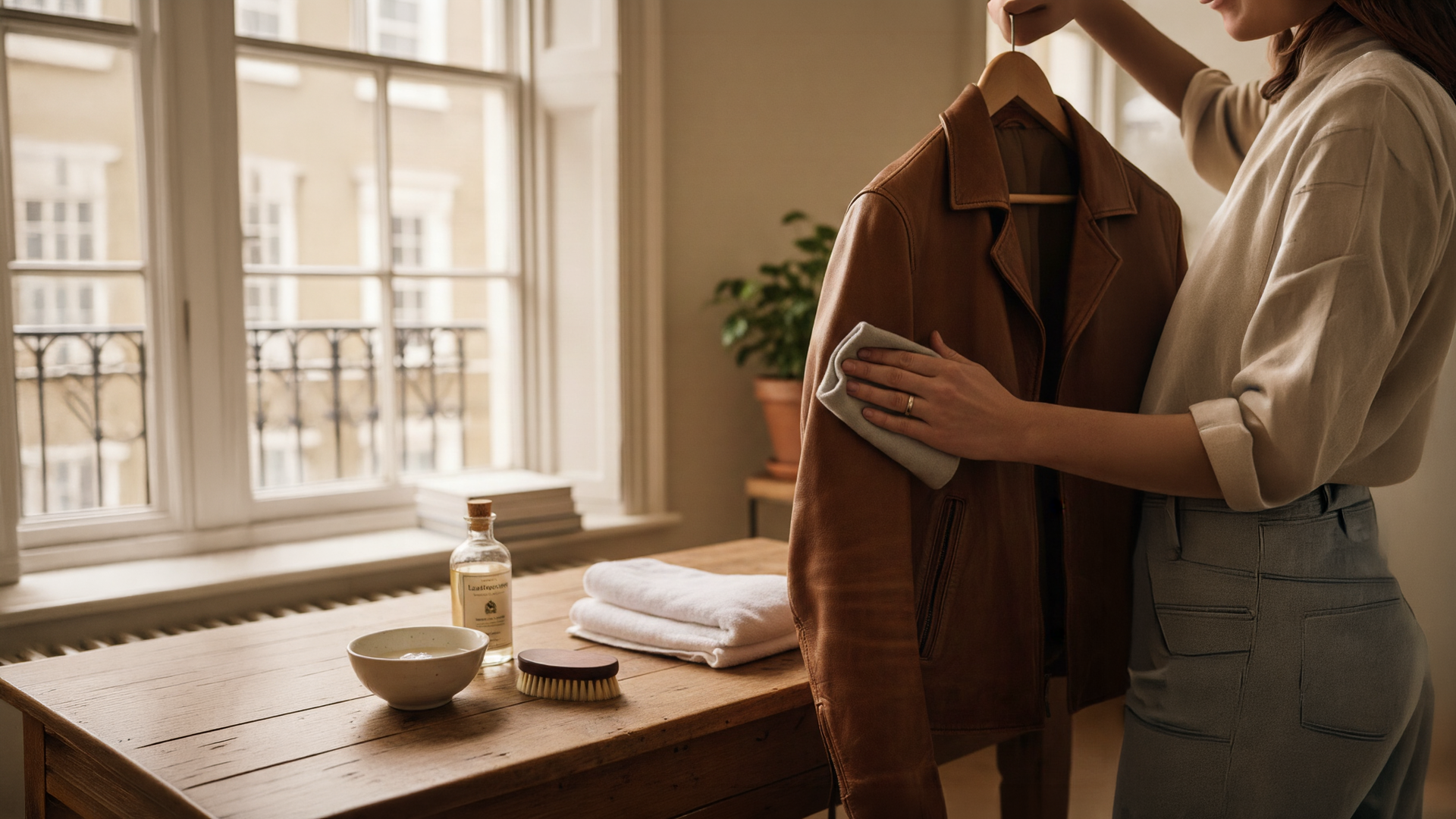
A high-quality leather conditioner moisturises the hide and softens stiff fibres. Conditioning improves flexibility and supports safe stretching.
6. Seek Professional Assistance
Specialised leather stretching sprays can be used on tight areas. Professional tailors or leather specialists have tools designed to stretch garments safely and evenly.
What Should You Avoid When Stretching Leather?
Avoid excessive moisture, heat, or force. These methods cause long-term damage rather than controlled stretching.
Do Not Soak It
Immersing a leather jacket in water can warp its structure, cause stains, and remove essential oils.
Avoid Direct Heat
Radiators, heat guns, or hair dryers strip moisture rapidly and lead to cracking and brittleness.
Do Not Force It
Pulling aggressively on tight areas can distort shape, create unnatural wrinkles, or even tear stitching.
Leather responds best to patience.
A Leather Jacket Is A Long-Term Investment
A leather jacket will stretch naturally over time, typically by half a size, depending on the hide and construction. The process requires regular wear, mild flexibility, and proper conditioning. Rushing it can damage the material, but allowing it to break in gradually creates a personalised fit and distinctive patina.
This adaptability is part of what makes leather a long-term investment. If you are considering where to buy leather jackets that improve with age, Leather Republic focuses on premium hides and craftsmanship designed to mould beautifully over time. Whether choosing a men's leather jacket or a women's leather jacket, starting with the right fit ensures it becomes uniquely yours.

Written by BARIS AKSOY